Basketball Injuries: ACL Rupture, Lateral Ankle Sprain and Jumper's Knee
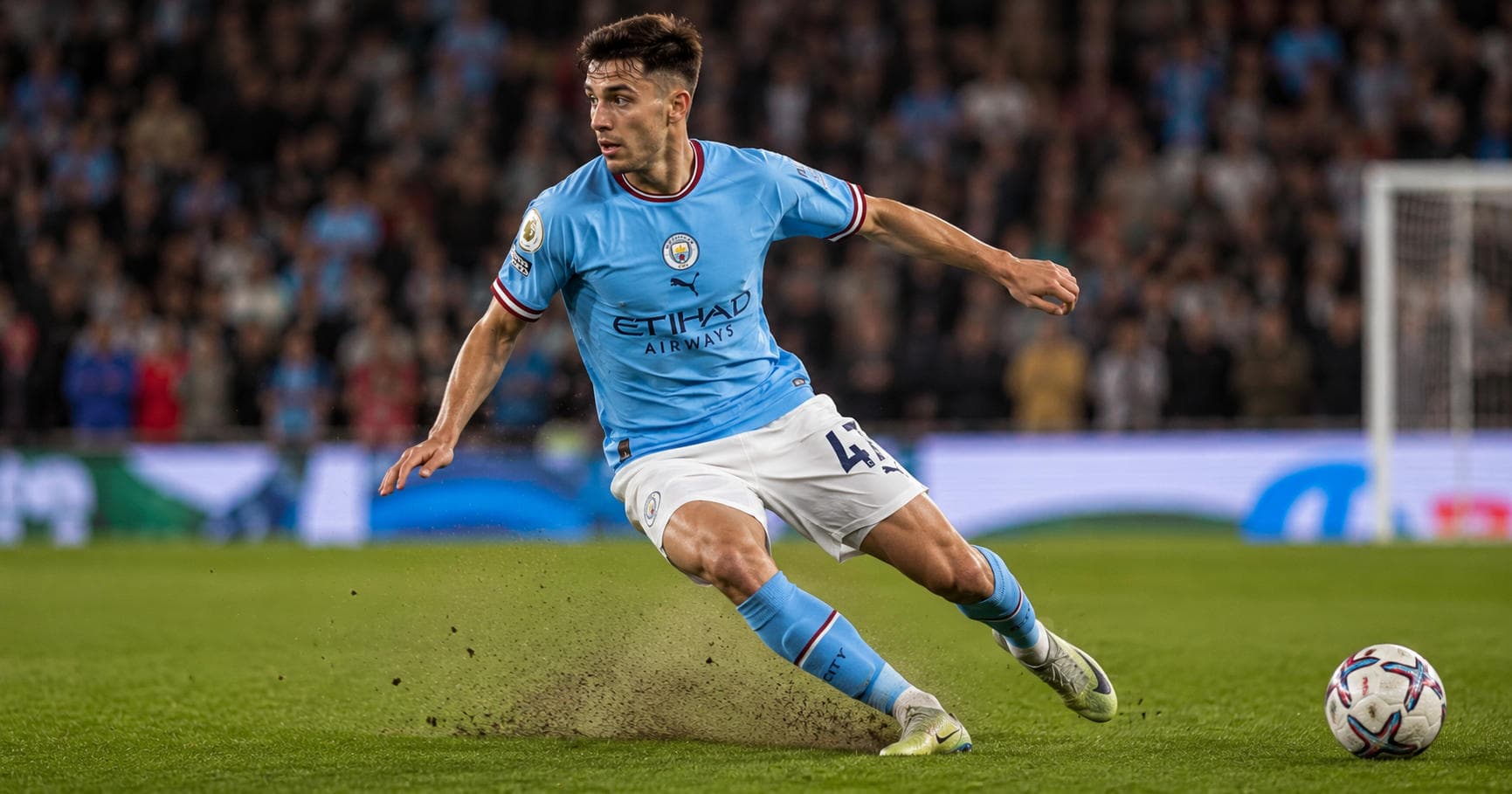
Basketball loads the lower limb through repeated jumping, landing and rapid change of direction. However, four presentations account for most of the clinical work.

Basketball loads the lower limb through repeated jumping, landing and rapid change of direction. Four presentations account for most of the clinical work. However, two are acute ligament injuries, and two are load problems, and they need completely different plans.
What are the Most Common Basketball Injuries?
Across NBA game-related injury data and NCAA surveillance, the following injuries are reported the most:
- Lateral ankle sprain: The most frequent diagnosis at every level. In NBA game-related injury data, it accounted for 13.2% of injuries, and across NCAA sports, men's basketball had the highest lateral ligament sprain rate of any sport at 11.96 per 10,000 athlete-exposures, 19.1% of them recurrent
- Patellar tendinopathy: Prevalence of 20.8% in basketball players, second only to volleyball
- Patellofemoral pain: The largest cause of games lost in the NBA dataset
- ACL rupture: Comparatively rare, but the longest absence by far
Lateral Ankle Sprain
An inversion injury, usually on landing or when stepping on another player's foot. Recurrence and residual symptoms, not the index injury, are the real clinical problem.
Assessment
- Imaging: Ottawa Ankle Rules before considering radiographs
- Palpation: ATFL and CFL, then clear the syndesmosis and fifth metatarsal base
- Ligament testing: Anterior drawer and talar tilt once acute guarding settles
- Injury history: Previous sprains and episodes of giving way, asked about directly
Physiotherapy management
- Early protected loading and mobility rather than rest
- Restore dorsiflexion range, which limits landing mechanics if left short
- Progressive calf and peroneal strengthening through full range
- Balance and reactive control work, continued well past symptom resolution, since the International Ankle Consortium documents persistent symptoms long after a first sprain
- Landing and cutting retraining before clearance; bracing or taping as an adjunct in recurrent cases, not a substitute for rehabilitation
ACL Rupture
Typically non-contact, occurring on deceleration, a cutting step or a single-leg landing.
Assessment
- Mechanism: A reported pop or shift at the moment of injury
- Effusion: Developing within a few hours, which suggests haemarthrosis
- Ligament testing: Lachman, then pivot shift once guarding allows
- Re-examination: A negative Lachman in a guarded, swollen knee does not exclude rupture, so re-examine rather than reassure
Physiotherapy management
- Criterion-based progression rather than calendar milestones, with quadriceps strength symmetry as the priority
- Hop test and strength symmetry above 90% before running and cutting progressions
- Return to sport at nine months or later, which substantially reduces reinjury
- Address psychological readiness alongside physical criteria
- For prevention, neuromuscular training programmes covering landing mechanics, deceleration and cutting roughly halve ACL injury risk, with larger effects reported in female athletes
Patellar Tendinopathy
Localised inferior pole pain that is load-dependent and warms up with activity.
Assessment
- Provocation: Pain reproduced on single-leg decline squat, not palpation alone
- Load relationship: Symptoms that track weekly jumping and landing volume
- Capacity: Calf and quadriceps deficits on single-leg testing
- Baseline: VISA-P, so you have something to re-measure
Physiotherapy management
- Isometric holds for symptom modulation in the irritable phase
- Progressive heavy slow resistance loading as the primary intervention, since a network meta-analysis ranked eccentric-only training below slower, heavier protocols for VISA-P improvement
- Restore calf and quadriceps capacity, which are usually the limiting factors
- Control jump volume rather than removing it, and reintroduce plyometrics last, once strength targets are met
- Expect a timeline in months, and say so at the first consultation
Tip: Track weekly jump volume rather than minutes played, and treat pre-season and tournament blocks as the points where tendon symptoms return.
Before You Clear a Player
Basketball requires repeated maximal jumping and landing, deceleration under fatigue, and confident single-leg control. Test all three rather than general strength alone, and treat symmetry on hop and strength testing as the threshold for cutting progressions.
References
https://pmc.ncbi.nlm.nih.gov/articles/PMC3445097
https://pubmed.ncbi.nlm.nih.gov/27573356/
https://doi.org/10.1136/bjsports-2016-096189
https://pmc.ncbi.nlm.nih.gov/articles/PMC10280536/
https://www.sciencedirect.com/science/article/pii/S2405844024152024